Global Japanese Comfort Recipes
Highlighted under: Comfort Food
Discover the heartwarming flavors of Japanese comfort food that transcends borders, bringing a taste of home to your table.
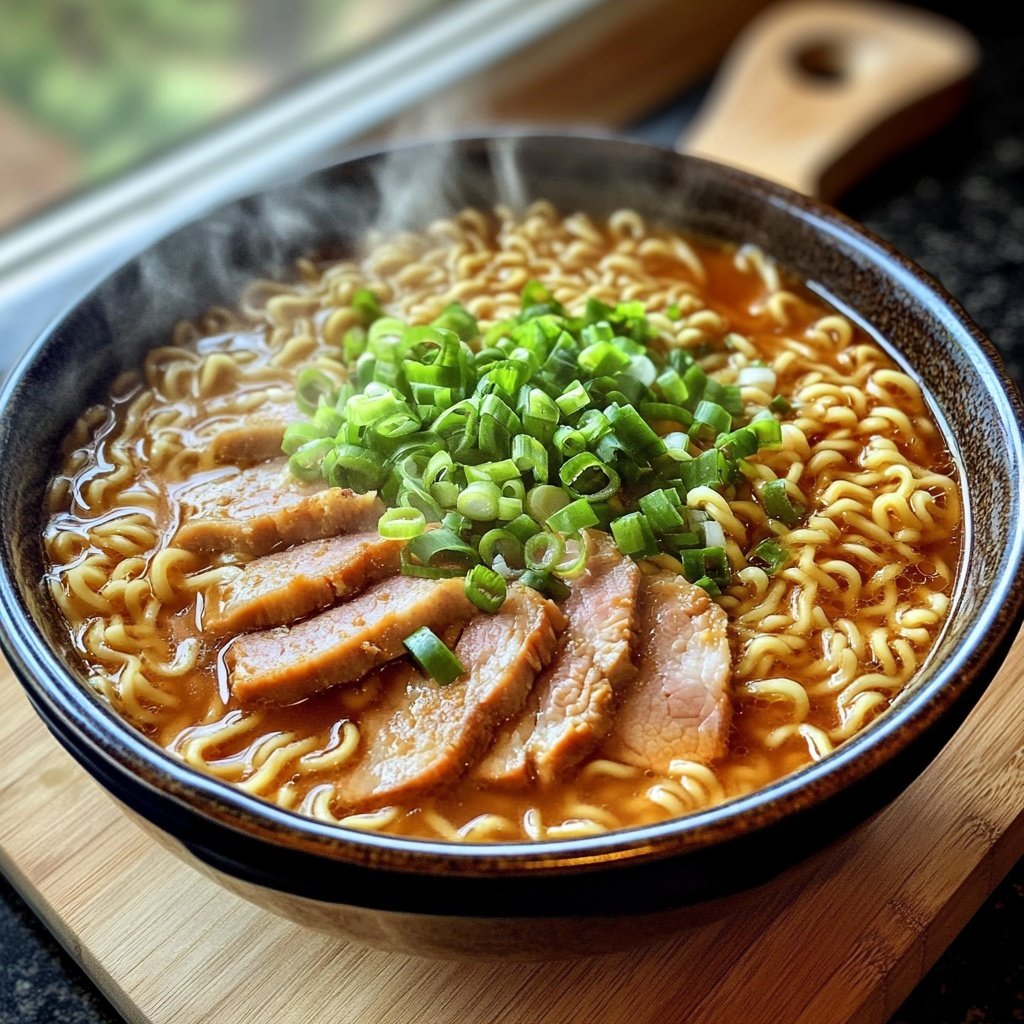
Japanese cuisine is not just about sushi and ramen; it's a tapestry of flavors that can warm your soul. This collection of global Japanese comfort recipes showcases the beauty of these dishes, perfect for cozy family meals or gatherings with friends.
Why You'll Love This Recipe
- A delightful fusion of traditional and modern Japanese flavors
- Comforting dishes that evoke nostalgia and warmth
- Easy to prepare, perfect for any home cook
Exploring Japanese Comfort Food
Japanese comfort food is a delightful journey through flavors that evoke warmth and familiarity. Each dish tells a story, often rooted in tradition and family gatherings. Whether it’s the heartiness of Japanese curry rice or the soothing nature of miso soup, these recipes are designed to bring people together. The careful balance of ingredients and the simplicity of preparation make these dishes accessible for everyone, allowing home cooks to recreate the comforting essence of Japan in their own kitchens.
In Japan, comfort food is more than just a meal; it's a way to connect with loved ones. Many families have their own unique takes on these classic recipes, passed down through generations. This cultural significance adds an extra layer of love to each dish, making them not just food but cherished memories. By exploring Japanese comfort food, you're not only satisfying your hunger but also embracing a rich culinary heritage that transcends borders.
The Essence of Each Dish
Japanese curry rice is perhaps one of the most beloved comfort foods in Japan. Its thick, savory sauce, combined with tender vegetables and perfectly cooked rice, creates a fulfilling meal that warms the soul. The use of curry powder adds a unique twist that differentiates it from other curries around the world, making it distinctly Japanese. It's a versatile dish, easily customizable to suit your taste, whether you prefer a spicier kick or adding your favorite proteins.
Miso soup is another staple that embodies the essence of Japanese comfort. Made from dashi stock and miso paste, its umami flavor is incredibly soothing. The addition of tofu and green onions enhances its nutritional value while providing a delightful texture. Often enjoyed as a starter or accompanying a meal, miso soup is not only comforting but also packed with health benefits, making it a perfect addition to any dining experience.
Okonomiyaki, often referred to as a 'Japanese savory pancake', is a fun and interactive dish that brings excitement to the table. Loaded with fresh ingredients and topped with savory sauces, it allows for personal creativity in the kitchen. Each bite offers a delightful crunch along with the richness of flavors, making it a hit among both adults and kids. It's a fantastic way to introduce Japanese cuisine to those unfamiliar, as its customizable nature appeals to diverse palates.
Ingredients
Japanese Curry Rice
- 2 cups of rice
- 1 onion, diced
- 2 carrots, chopped
- 1 potato, diced
- 2 tablespoons of curry powder
- 4 cups of water
- Salt to taste
Miso Soup
- 4 cups of dashi stock
- 1/2 cup of miso paste
- 1/2 cup of tofu, cubed
- 1 green onion, sliced
- Seaweed for garnish
Okonomiyaki
- 1 cup of flour
- 1/2 cup of water
- 1/2 cup of shredded cabbage
- 1 egg
- 2 tablespoons of mayonnaise
- Okonomiyaki sauce to taste
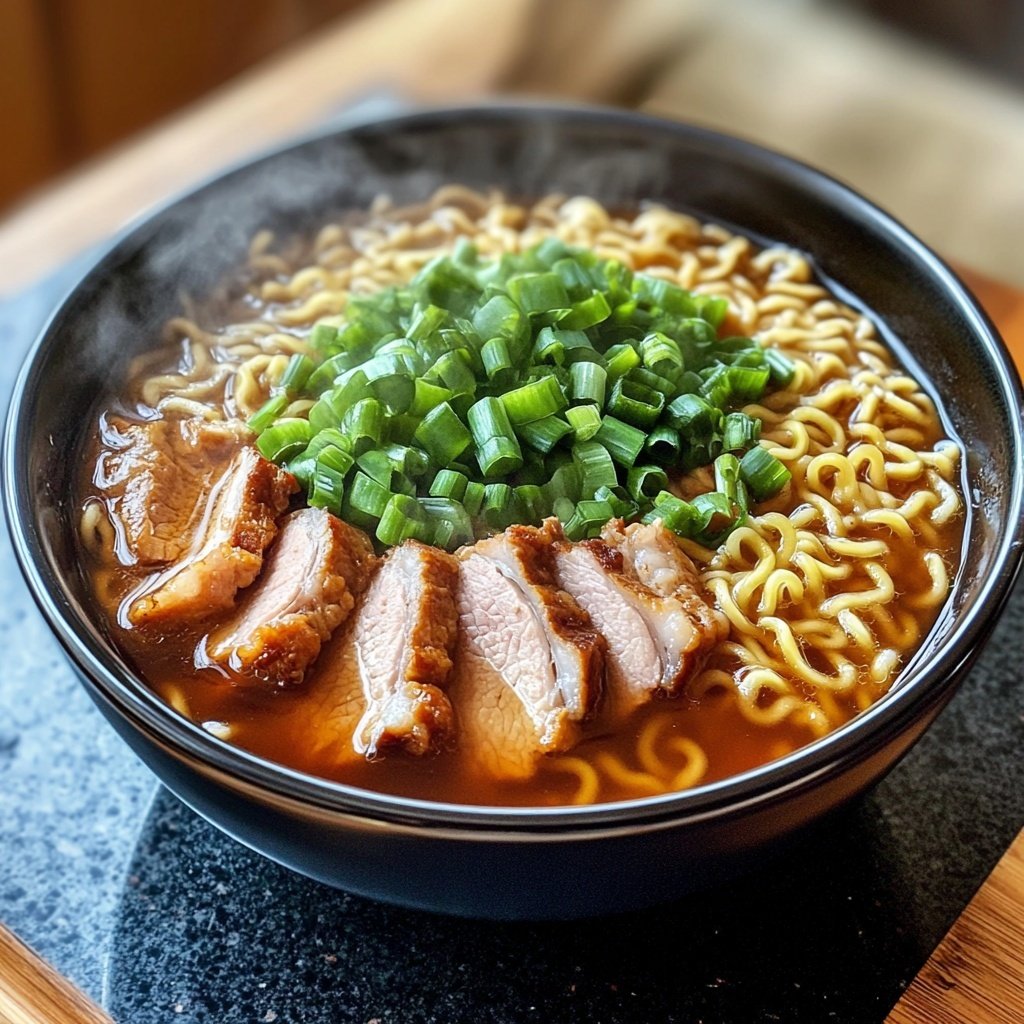
Gather all ingredients before starting to ensure a smooth cooking process.
Instructions
Prepare Japanese Curry Rice
- Rinse the rice under cold water until the water runs clear.
- In a pot, sauté the onions until translucent.
- Add carrots and potatoes, cooking for 5 minutes.
- Stir in the curry powder, then add water and bring to a boil.
- Reduce heat and simmer until vegetables are tender. Serve over cooked rice.
Make Miso Soup
- In a pot, heat the dashi stock until simmering.
- Whisk in the miso paste until dissolved.
- Add tofu and simmer for 5 minutes.
- Serve hot, garnished with green onions and seaweed.
Cook Okonomiyaki
- In a bowl, mix flour and water to create a batter.
- Add shredded cabbage and egg, mixing well.
- Heat a skillet and pour in the batter, cooking until golden brown on both sides.
- Serve with mayonnaise and okonomiyaki sauce on top.
Enjoy your homemade Japanese comfort meals!
Pro Tips
- Feel free to customize each dish with your favorite proteins or vegetables for added flavor and nutrition.
Tips for Perfecting Your Japanese Dishes
To achieve the perfect Japanese curry rice, be sure to let the curry simmer long enough for the flavors to meld beautifully. Using high-quality curry powder is essential, as it can significantly impact the dish's overall taste. Experiment with different vegetables and proteins to create your own signature version of this classic meal, ensuring that it suits your family's preferences.
For miso soup, always add the miso paste at the end of cooking to preserve its probiotic benefits. If you prefer a richer flavor, consider using a combination of different types of miso. Fresh ingredients like green onions and seaweed not only enhance the flavor but also add a beautiful presentation to the dish, making it visually appealing.
Serving Suggestions
When serving Japanese curry rice, consider pairing it with a side of pickled vegetables or a simple salad to add freshness and balance to the meal. A drizzle of sesame oil can elevate the dish even further, adding a nutty aroma that complements the curry's spices beautifully.
Miso soup can be a delightful accompaniment to any Japanese meal. Serve it alongside grilled fish or a rice bowl for a wholesome experience. To elevate your miso soup, try adding seasonal vegetables or a sprinkle of sesame seeds for added texture and flavor.
Okonomiyaki is best enjoyed straight from the skillet, allowing everyone to get involved in the cooking process. Set up a toppings bar with various sauces, bonito flakes, and pickled ginger, encouraging your guests to customize their pancakes. This communal dining experience not only makes the meal more interactive but also enhances the enjoyment of the dish.
Questions About Recipes
→ Can I make Japanese curry vegetarian?
Absolutely! Just replace the meat with additional vegetables or plant-based protein.
→ What can I substitute for dashi stock in miso soup?
You can use vegetable broth or water with a little soy sauce for flavor.
→ How do I store leftovers?
Store leftovers in airtight containers in the refrigerator for up to 3 days.
→ Can I freeze these dishes?
Yes, you can freeze curry rice and okonomiyaki. Miso soup is best consumed fresh.
Global Japanese Comfort Recipes
Created by: The Zestcrafters Team
Recipe Type: Comfort Food
Skill Level: Intermediate
Final Quantity: 4 servings
What You'll Need
Japanese Curry Rice
- 2 cups of rice
- 1 onion, diced
- 2 carrots, chopped
- 1 potato, diced
- 2 tablespoons of curry powder
- 4 cups of water
- Salt to taste
Miso Soup
- 4 cups of dashi stock
- 1/2 cup of miso paste
- 1/2 cup of tofu, cubed
- 1 green onion, sliced
- Seaweed for garnish
Okonomiyaki
- 1 cup of flour
- 1/2 cup of water
- 1/2 cup of shredded cabbage
- 1 egg
- 2 tablespoons of mayonnaise
- Okonomiyaki sauce to taste
How-To Steps
- Rinse the rice under cold water until the water runs clear.
- In a pot, sauté the onions until translucent.
- Add carrots and potatoes, cooking for 5 minutes.
- Stir in the curry powder, then add water and bring to a boil.
- Reduce heat and simmer until vegetables are tender. Serve over cooked rice.
- In a pot, heat the dashi stock until simmering.
- Whisk in the miso paste until dissolved.
- Add tofu and simmer for 5 minutes.
- Serve hot, garnished with green onions and seaweed.
- In a bowl, mix flour and water to create a batter.
- Add shredded cabbage and egg, mixing well.
- Heat a skillet and pour in the batter, cooking until golden brown on both sides.
- Serve with mayonnaise and okonomiyaki sauce on top.
Extra Tips
- Feel free to customize each dish with your favorite proteins or vegetables for added flavor and nutrition.
Nutritional Breakdown (Per Serving)
- Calories: 450 kcal
- Total Fat: 15g
- Saturated Fat: 3g
- Cholesterol: 70mg
- Sodium: 800mg
- Total Carbohydrates: 65g
- Dietary Fiber: 5g
- Sugars: 8g
- Protein: 12g